
Orthodox Bible & Calendar
Byteblocks, LLCBooks & Reference
4.7294.00 Reviews
- Version
- 7.1.1
- Installs
- 100.00K
- Age Rating
- Everyone
Screenshots

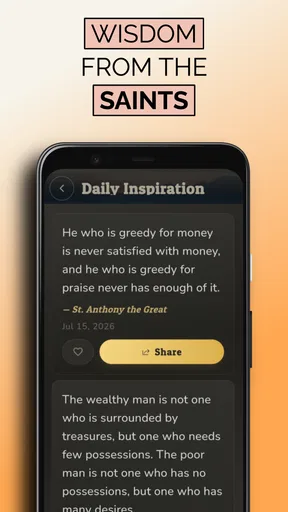
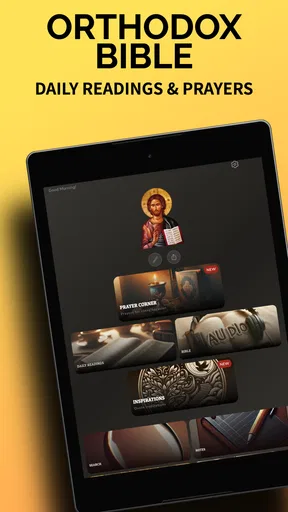
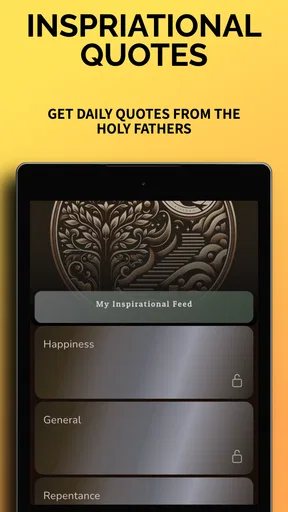
Our Review of Orthodox Bible & Calendar
 Analysis by Appyee
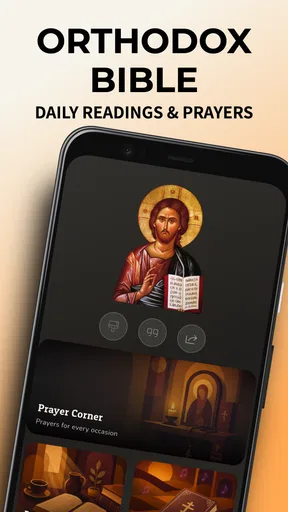
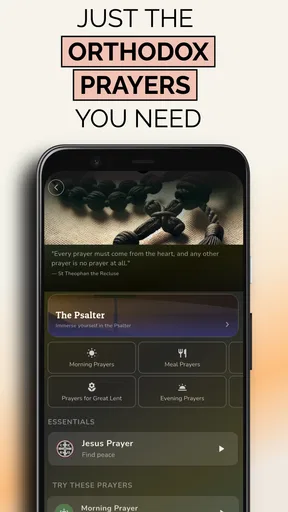
I found Orthodox Bible & Calendar most useful when I treated it as a practical companion for short, regular moments of prayer rather than as a replacement for every printed or specialized study resource. It brings Scripture, Orthodox prayers, the Psalter, reading plans, and a calendar into one mobile app, which makes it easy to move from “I have a few minutes” to an actual reading or prayer routine.
That combination gives the app a clear identity in the Books & Reference category. It is not simply a Bible reader with a few extra pages attached. The Orthodox focus changes what I look for: the calendar matters, the prayer material matters, and the Psalter is not an afterthought. In my experience, the strongest part of the design is the way these elements support a repeatable daily habit.
Orthodox Bible & Calendar is free to install, with optional in-app purchases ranging from $0.99 to $74.99 per item. It is made by Byteblocks, LLC, carries an Everyone rating, and runs on Android 7.0 or later. Its current version is 7.1.1. With a 4.7 average from around 2K ratings and over 100K installs, it has clearly found an audience among people looking for an Orthodox-focused reading and prayer tool.
How the app feels when connectivity is part of the experience
I find connectivity most relevant when I’m moving between the calendar and a particular reading or prayer: a little preparation can keep that handoff from interrupting the moment. Before relying on the app away from home, I’d identify which sections I actually use and make sure I know how to reach them. That practical check also clarifies whether a phone-based routine suits me better than a printed resource.
Starting with a clear daily purpose
The first thing I would suggest is deciding what you want the app to do before opening it. If you want a quick passage, go directly to the Bible. If you want a structured devotional rhythm, use the reading plans. If your attention is more prayer-oriented, the daily prayers and Psalter are likely to be more useful than browsing without a plan.
This matters because an app with several religious resources can easily become a collection of tabs rather than a habit. I got more from it when I used one entry point at a time. Checking the calendar in the morning, reading the suggested material, and returning later for a prayer is a more natural workflow than trying to consume everything in one sitting.
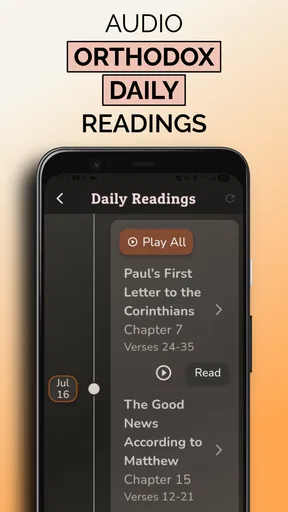
The calendar gives the app a sense of time that ordinary Bible apps often lack. A general Bible reader usually begins with a book, chapter, search box, or reading plan. Here, the calendar can shape the question “What is appropriate for today?” That is especially helpful for users who want their reading to follow the Orthodox rhythm rather than a generic sequence.
What happens when the connection is good
When the phone has a stable connection, the experience feels straightforward. I can move between the Bible, prayers, Psalter, plans, and calendar without having to maintain several separate apps. That consolidation is the main practical advantage. Instead of searching the web for a prayer, opening a separate Bible reader, and checking a calendar elsewhere, I can keep the routine in one place.
Connectivity also affects how confidently I use a mobile religious reference. A connected app is convenient when I am beginning a reading session, checking a plan, or switching between sections. The convenience is less about speed than continuity: I do not have to break concentration to find another source for the next part of the routine.
Still, I would not confuse a smooth connected session with a guarantee that every part of the app will behave identically without a network. The sensible approach is to explore the material while connected and learn which screens are immediately available in the situations where you expect to use them. That small test is more useful than assuming that a store summary tells you how every resource behaves during a connection failure.
Using it in ordinary mobile situations
This is an app suited to fragmented time. I can imagine using it before leaving home, during a quiet lunch break, or at the end of the day when I want something more focused than scrolling through social media. The reading plans are particularly useful for turning a vague intention into a defined session. A plan answers the practical problem of deciding what to read next.
On a phone, short sessions work better than trying to reproduce a full desktop study environment. The screen is convenient for a passage or prayer, but it is still a small screen. Long reading sessions may feel less comfortable than using a printed Bible, tablet, or larger e-reader. I would use this app for access and continuity, then switch to a larger format when I want extended study and fewer distractions.
A realistic routine might look like this: I check the calendar after breakfast, read the relevant material from a plan, and mark the main idea mentally rather than attempting a long study. In the evening, I return to the Psalter or daily prayers. The important point is that the app supports two different kinds of use: a brief daily check-in and a more deliberate devotional session.
For someone commuting, connectivity becomes a practical consideration. A train ride, basement room, crowded event, or weak-signal building can interrupt the smooth flow that is available at home. I would prepare by opening the sections I expect to use before leaving a reliable connection. I would also avoid beginning an important reading session for the first time in a place where the phone may not connect consistently.
Why the calendar changes the workflow
The calendar is more than another navigation option because it can reduce decision fatigue. Many people do not stop reading because they dislike Scripture; they stop because choosing a passage becomes one more task. A calendar-centered app gives the day a starting point and makes the routine feel anchored.
That does not mean the calendar should control every use. Sometimes I want to search for a particular passage or read outside a plan. The Bible remains valuable for that more flexible approach. My advice is to use the calendar when consistency is the priority and the Bible section when curiosity or a specific question is driving the session.
This distinction is one of the app’s less obvious strengths. It can serve both a structured reader and someone who occasionally needs a focused reference. The trade-off is that users who want an enormous research library, extensive cross-references, or advanced academic tools may find the experience more focused than comprehensive. Its Orthodox devotional framing is a benefit for the intended audience, but it is also what makes it less suitable as a universal study platform.
Recovering from interruptions
Mobile reading is vulnerable to interruptions. A call, a low battery warning, an app switch, or a lost connection can break concentration. I recommend treating each session as a small unit with a clear beginning and end. Open the day’s material, read the passage or prayer, and finish with a simple mental note about where you stopped.
If a connection drops, I would first wait rather than repeatedly tapping through screens. Reopening the relevant section is usually a better recovery habit than assuming the last screen will remain exactly as it was. The app is most useful when I approach it as a dependable reference, not as a place to gamble on an uninterrupted long session.
There is also a useful distinction between losing access temporarily and losing your routine. A technical interruption does not have to cancel the day’s practice. If the app is slow or unavailable at that moment, I can remember the planned reading, use a physical Bible, or return later. The calendar and reading-plan structure still help me resume without turning one failed session into a broken habit.
I would especially recommend testing the app before relying on it during travel or at a place with limited connectivity. Open the Bible, a prayer, the Psalter, and the calendar while at home. This gives you a realistic sense of the navigation flow and helps reveal which parts you should prepare in advance. That is a more responsible workflow than discovering a limitation when you are already away from your usual setup.
Keeping mobile data under control
People often think of a text-based religious app as automatically light on data, but a careful user should still pay attention to how they use it. Repeatedly opening and switching between sections while connected can be unnecessary if you only need one passage or prayer. I prefer choosing the material first, then staying within that section instead of jumping around without a purpose.
On a limited mobile plan, Wi-Fi is the sensible setting for initial exploration and for any update-related activity. Once I know the route to my regular readings, I can avoid browsing every section each time. This is not just about saving data; it also reduces distractions and makes the devotional session feel more intentional.
The optional purchase range is another reason to review the app’s purchase screens carefully before confirming anything. The app is free to install, but “free” does not mean every optional element has the same cost. I would begin with the no-cost experience, decide whether the Bible, prayers, Psalter, plans, and calendar fit my routine, and only then consider an upgrade or add-on that solves a specific need.
That approach is particularly important for families or shared devices. The Everyone content rating makes the app broadly accessible, but purchase decisions should still be deliberate. A person who only needs a daily prayer and occasional Bible reading may have no reason to spend money, while a committed user who spends time in the app every day may judge an optional purchase differently.
Where it beats ordinary alternatives
The usual alternative is a general Bible app. Those apps can be excellent for translations, search, highlighting, notes, and broad customization. Their weakness for an Orthodox reader is that the surrounding devotional context may be scattered or absent. Orthodox Bible & Calendar brings the Bible together with prayers, the Psalter, reading plans, and a calendar designed around the app’s religious focus.
Another alternative is using separate websites or apps for each resource. That can provide more choice, but it creates friction. I have to remember where the prayer is, which calendar to check, and which reader contains the passage. This app’s value is not necessarily that each individual section will outperform every specialist alternative. Its value is the connected workflow between them.
Printed books remain a strong alternative for users who dislike screens, notifications, or network-related uncertainty. A physical Bible and prayer book do not depend on a charged phone or a working connection. I would choose print for long, quiet reading and this app for portability, prompts, and having several Orthodox resources available in one pocket-sized device.
General note-taking or reading apps may also be better for users who want extensive annotations and personal research systems. This app is more focused on access and routine than on building a complex scholarly archive. That focus keeps it approachable, but it means advanced readers should decide whether convenience matters more than deep customization.
Who will benefit most
I think the best match is an Orthodox Christian who wants one mobile place for Scripture and daily devotional material. It is also a good fit for someone returning to a regular prayer habit and needing structure rather than another open-ended library. The calendar and plans can provide a gentle starting point when the hardest question is what to read today.
It may also help people who move between locations. A phone is easier to carry than several books, and the app keeps the relevant categories close together. That convenience is strongest when the user has a predictable way to connect and a modest expectation of what a mobile screen can provide.
I would be more cautious about recommending it to someone seeking a neutral, multi-tradition Bible tool. The Orthodox orientation is the reason to choose it, so a reader who wants broad denominational comparison may prefer a more general reference app. Likewise, users who require a fully paper-like reading experience, extensive study notes, or a large annotation system may be happier elsewhere.
Small habits that make it more useful
My first tip is to create a fixed trigger for opening it: after breakfast, before bed, or immediately after a regular daily task. The app’s calendar and plans work better when attached to a habit than when used only when motivation happens to appear.
My second tip is to separate reading from browsing. Choose either the calendar, a plan, a prayer, or the Psalter before you begin. This prevents the common mobile problem of spending the available time navigating instead of reading.
My third tip is to prepare for weak connectivity. While connected, inspect the sections you use most often and learn the shortest route to them. Do not assume that a screen you have never opened will be ready at the exact moment you need it in a low-signal location.
My fourth tip is to compare the app with your real routine after a week or two. If the calendar makes you read more consistently, it is doing something valuable. If you keep leaving it for a printed book or another reader because you need deeper notes, that is useful information too. The right tool is the one that supports the kind of attention you actually give it.
My final view on its connected, mobile-first design
Orthodox Bible & Calendar succeeds because it connects several Orthodox resources around a daily rhythm instead of presenting the Bible as an isolated text. The Bible, prayers, Psalter, reading plans, and calendar each answer a different practical need, and together they make short devotional sessions easier to start.
Its main limitation is equally practical: a phone is still a phone. Connectivity, battery, interruptions, screen size, and optional purchases all deserve consideration. I would not make it my only religious resource, especially for extended study or situations where I know the network will be unreliable. I would use it as a convenient companion and prepare important material before leaving a dependable connection.
For me, the deciding question is not whether it replaces every alternative. It does not. The better question is whether its Orthodox focus and calendar-led workflow make daily reading more achievable. If that is what you need, the free starting point, broad accessibility, and focused collection of resources make it worth trying. If you mainly want advanced study tools or a completely offline, paper-like experience, a different option will probably serve you better.
Overall, I see it as a practical app for building continuity: one place to check the day, read Scripture, follow a plan, and turn a spare few minutes into prayer. The best results come when you use its structure intentionally and treat connectivity as something to plan around, not something to take for granted.
Verdict
Strengths of Orthodox Bible & Calendar
- Includes Orthodox Bible texts for convenient reading on mobile.
- Orthodox calendar helps track feast days, fasts, and saints’ commemorations.
- Useful for daily prayer, study, and maintaining a regular spiritual routine.
- Simple reference tool for users interested in Orthodox traditions and observances.
- Can be helpful when attending services or planning around religious dates.
Limitations of Orthodox Bible & Calendar
- Some content or translations may differ from a user’s preferred Orthodox tradition.
- Calendar details may require updates to remain accurate each year.
- The interface may feel basic compared with modern Bible applications.
- Limited study tools may not satisfy users seeking commentary or cross-references.
- Some features may depend on internet access or include advertising.
Other Releases by Byteblocks, LLC
View All
Driver Power App
Business2.9
Similar Picks in This Category
View All
Google Play Books & Audiobooks
Google LLC4.7

네이버 - NAVER
NAVER Corp.3.5

Wattpad - Read & Write Stories
Wattpad.com3.7

King James Bible - Verse+Audio
Ozion4.8

Bible Offline-KJV Holy Bible
Bíblia Offline4.9

Amazon Kindle: Reading App
Amazon Mobile LLC4.8
Frequently Asked Questions
What is Orthodox Bible & Calendar, and what does it include?
Orthodox Bible & Calendar is a mobile app designed for users who want to read Orthodox Christian Scripture and follow the Orthodox liturgical calendar in one place. After exploring the app, its main sections generally focus on Bible reading, feast days, fasting periods, saints, and church-related dates. The exact content and organization may vary depending on the app version and device platform.
Does Orthodox Bible & Calendar work without an internet connection?
Many Bible and calendar features may remain available after the relevant content has been loaded or installed, which can be useful when traveling, attending services, or reading in areas with limited connectivity. However, some functions—such as updates, additional resources, advertisements, or external links—may require internet access. It is best to open the app once while online and confirm which sections are accessible offline.
Which Orthodox calendar traditions and languages are supported?
Calendar support is one of the most important points to check before downloading because Orthodox churches may follow different calendar traditions, including Old Calendar and New Calendar observances. The app may also offer particular language options or translations rather than supporting every Orthodox jurisdiction. Users should review the store description and in-app settings to confirm that the dates, feasts, saints, and Bible translation match their church tradition.
Can I use the app for daily prayer, Bible reading, and fasting guidance?
The app can be helpful as a personal reference for daily Scripture reading and checking feast days, saints, fasting periods, and other liturgical information. It is convenient for building a regular reading habit and remembering important dates. Nevertheless, it should not replace guidance from a priest or local parish, especially because fasting rules and pastoral recommendations can differ according to health, age, family circumstances, and church jurisdiction.
Is Orthodox Bible & Calendar free, and are there advertisements or in-app purchases?
The application may be available to download at no initial cost, but the final experience can depend on the platform and version. Some editions of religious apps include advertising, optional purchases, premium features, or links to additional content. Before installing, users should check the current Google Play or App Store listing for pricing, subscriptions, advertisements, permissions, developer information, and recent reviews so there are no surprises.
